When we talk about coffee in India, one name instantly comes to mind — Nescafé. As a digital marketer who has closely observed brand positioning, consumer behavior, and content strategy in the FMCG space, I find Nescafé to be one of the most fascinating case studies in modern marketing. It’s not just a coffee brand; it’s a cultural symbol, a habit, a conversation starter, and in many cases, an emotion.
In this blog, I’ll share my perspective on Nescafé’s product range, its brand positioning, and how it has successfully built a powerful digital presence while staying relevant to evolving consumer trends.
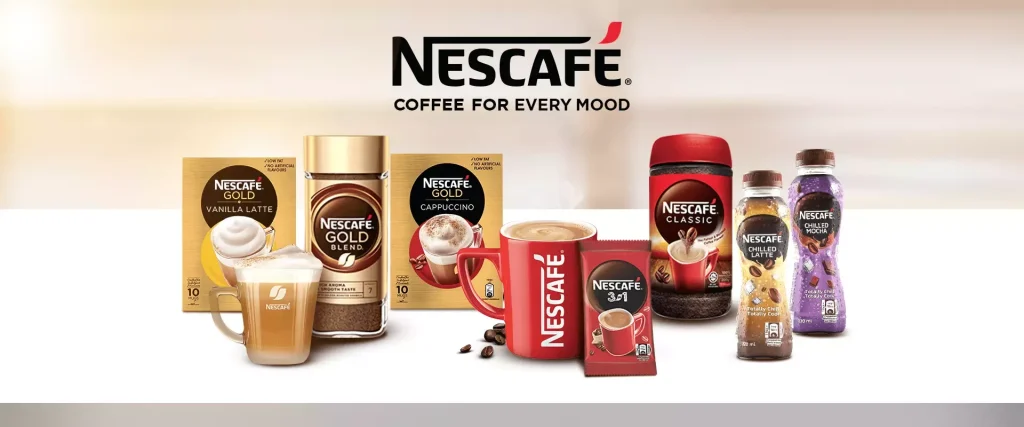
The Legacy Behind the Brand Nescafe
Nescafé is owned by Nestlé, one of the world’s largest food and beverage companies. Launched in 1938, Nescafé revolutionized the coffee industry by introducing instant coffee. The idea was simple but powerful — make quality coffee accessible, affordable, and convenient.
In India, Nescafé entered during a time when tea dominated the beverage market. Through consistent branding, youth-focused campaigns, and smart distribution strategies, it gradually built a strong coffee culture in urban and semi-urban households.
As a marketer, what stands out is how Nescafé didn’t just sell coffee — it sold moments.
Understanding Nescafé’s Product Portfolio
One of Nescafé’s biggest strengths is its diverse product line that caters to different consumer preferences and price segments.
1. Nescafé Classic
This is the flagship product. It is known for its strong aroma and rich taste. Targeted at mass-market consumers, it is affordable and widely available. From college students to working professionals, this product dominates Indian kitchens.
2. Nescafé Sunrise
This variant blends coffee and chicory, offering a slightly stronger and more traditional South Indian taste. It appeals to consumers who prefer a bold, robust flavor profile.
3. Nescafé Gold
Positioned as a premium offering, Nescafé Gold targets consumers who seek a more refined and smooth coffee experience. Its packaging, branding, and pricing reflect a more sophisticated lifestyle.
4. Nescafé Ready-to-Drink (RTD) Cold Coffee
Designed for Gen Z and millennials, this product focuses on convenience and on-the-go consumption. It competes in the growing ready-to-drink beverage market and leverages impulse buying behavior.
5. Nescafé Sachets
A brilliant pricing strategy — low-cost sachets make coffee accessible even in rural and price-sensitive markets. This micro-packaging strategy significantly increased penetration.
Product Strategy: How Nescafé Covers Every Segment
From a marketing perspective, Nescafé uses a classic segmentation strategy:
- Mass market → Nescafé Classic & Sunrise
- Premium segment → Nescafé Gold
- Youth & convenience-driven segment → RTD Cold Coffee
- Price-sensitive consumers → Sachets
This layered pricing strategy ensures that the brand captures maximum market share without diluting its identity.
What’s impressive is how the core product (instant coffee) remains the same, but perception changes with packaging, communication, and positioning.
Brand Positioning: “It All Starts With a Nescafé”
One of Nescafé’s most successful campaigns in India has been centered around connection, conversation, and youth culture. Coffee is positioned as a catalyst for relationships — friendships, love stories, collaborations, and even career beginnings.
Instead of focusing only on taste, the brand markets experiences.
As a digital marketer, this is a key lesson:
Consumers buy emotions before they buy products.
Digital Marketing Strategy of Nescafé
Now let’s break down Nescafé’s digital marketing from a professional lens.
1. Social Media Storytelling
Nescafé’s Instagram and YouTube presence focuses heavily on:
- Youth-driven content
- Relatable college moments
- Friendship and love stories
- Music collaborations
- Influencer marketing
Rather than pushing hard sales content, they create lifestyle narratives. This builds brand recall without feeling promotional.
2. Influencer Collaborations
The brand smartly collaborates with:
- Campus influencers
- Lifestyle creators
- Musicians
- Fitness and travel bloggers
This multi-niche influencer strategy ensures broader audience penetration.
3. User-Generated Content (UGC)
Encouraging consumers to share their “Nescafé moments” builds community-driven engagement. UGC reduces advertising costs while increasing authenticity.
4. Seasonal & Occasion-Based Marketing
Whether it’s exams, monsoon season, friendship day, or late-night work culture — Nescafé aligns itself with relatable life moments.
This contextual marketing increases emotional resonance.
Packaging & Visual Identity
From a branding standpoint, Nescafé maintains:
- Bold red color (strong recall value)
- Minimal yet premium typography (especially for Gold)
- Consistent logo visibility
Shelf visibility in retail stores and thumbnails on e-commerce platforms are carefully optimized. The packaging instantly communicates quality and warmth.
Consumer Psychology Behind Nescafé’s Success
Coffee consumption is closely tied to:
- Productivity
- Energy
- Social bonding
- Personal rituals
Nescafé taps into all four.
For students, it’s “late-night study fuel.”
For professionals, it’s “morning motivation.”
For couples and friends, it’s “conversation starter.”
This multi-usage positioning expands its target audience organically.
SEO & Content Marketing Potential for Nescafé
If I were handling Nescafé’s digital growth strategy, I would focus on:
- Blog content around coffee recipes
- Health-related coffee benefits
- DIY cold coffee guides
- Sustainable sourcing stories
- Coffee culture blogs
Keyword clusters like:
- “best instant coffee in India”
- “how to make cold coffee at home”
- “benefits of black coffee”
would help increase organic traffic.
Long-form storytelling combined with short-form reels would create a complete content funnel.
Sustainability & Brand Responsibility
Modern consumers care about ethical sourcing and sustainability. Nestlé globally has taken steps toward sustainable coffee sourcing and recyclable packaging.
Highlighting these initiatives more aggressively in India could strengthen brand loyalty among environmentally conscious buyers.
Transparency builds trust — and trust builds long-term retention.
Competitive Advantage in the Indian Market
Nescafé competes with regional coffee brands and emerging specialty coffee startups. However, its advantages include:
- Strong distribution network
- High brand recall
- Affordable pricing tiers
- Backing of Nestlé
- Consistent marketing
While premium coffee startups focus on niche urban audiences, Nescafé dominates mass consumption.
Challenges & Future Opportunities
Despite its dominance, Nescafé faces challenges:
- Growing demand for specialty and artisanal coffee
- Rising health awareness
- Competition from café chains
- Price sensitivity in rural markets
However, opportunities lie in:
- Expanding RTD portfolio
- Limited-edition flavors
- Subscription models
- AI-driven personalized marketing
- Hyperlocal influencer campaigns
The brand has the infrastructure to evolve with trends.
Lessons I’ve Learned as a Digital Marketer
Studying Nescafé’s journey has taught me:
- Product alone is not enough — emotional positioning matters.
- Mass appeal and premium perception can coexist through smart segmentation.
- Storytelling drives engagement better than direct selling.
- Consistency in branding builds long-term recall.
- Community-driven marketing outperforms aggressive advertising.
Final Thoughts
Nescafé is more than just instant coffee. It represents warmth, ambition, connection, and everyday energy. From sachets in small towns to premium jars in urban kitchens, it has successfully built a brand that feels personal to millions.
As an aspiring digital marketer currently pursuing my course, analyzing Nescafé gives me practical insights into real-world branding, consumer psychology, and digital growth strategies. It proves that when a product meets strong emotional storytelling and smart segmentation, it doesn’t just sell — it becomes a habit.
And in marketing, becoming a habit is the ultimate success.